🏃 Sports Injury Prevention Tips: A Complete Guide for Athletes and Students
Introduction
Sports are one of the best ways to stay healthy, active, and mentally strong. Whether you enjoy playing football, cricket, basketball, badminton, or going to the gym, sports help improve your physical fitness, discipline, teamwork, and confidence.
However, sports also come with a risk of injuries. Many athletes and students experience injuries due to improper training, skipping warm-ups, overtraining, or using the wrong techniques.
Common sports injuries include:
- Muscle strains
- Ligament sprains
- Knee injuries
- Shoulder injuries
- Stress fractures
The good news is that most sports injuries can be prevented with proper habits and preparation.
🔥 1. Always Warm Up Before Playing


4
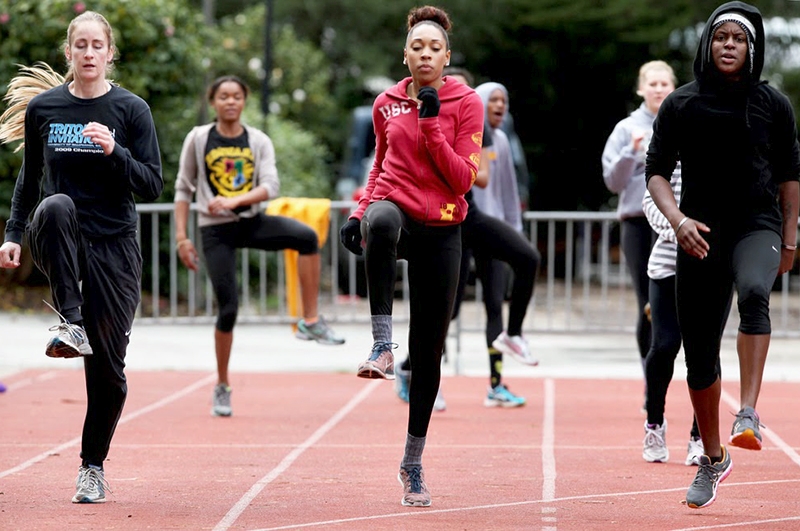
One of the most important ways to prevent injuries is warming up before any physical activity. A proper warm-up increases blood flow to the muscles and prepares your body for exercise.
Benefits of warming up:
- Improves flexibility
- Increases muscle performance
- Reduces muscle stiffness
- Lowers the risk of injuries
Simple Warm-Up Exercises
You don’t need complicated routines. Just spend 10–15 minutes warming up with exercises like:
- Light jogging
- Jumping jacks
- Arm circles
- Leg swings
- Dynamic stretching
A good warm-up prepares your body for fast movements and intense activity.
🏋️ 2. Learn and Practice the Right Technique
Using the wrong technique while playing sports or lifting weights can put extra stress on your joints and muscles.
For example:
- Poor running posture can cause knee injuries
- Incorrect weightlifting can lead to back pain
- Bad landing technique can cause ankle sprains
Tips to Improve Technique
- Train under a qualified coach
- Maintain correct posture during exercises
- Increase training intensity gradually
- Practice skills regularly
Using proper techniques helps protect muscles, joints, and ligaments.
💧 3. Stay Hydrated During Sports


Hydration is very important for athletes. When you exercise, your body loses water through sweat.
If you don’t drink enough water, you may experience:
- Muscle cramps
- Dizziness
- Fatigue
- Poor concentration
Water helps regulate body temperature and maintain performance during sports.
Hydration Tips
- Drink water before exercise
- Take small sips during activity
- Drink water after your workout
Proper hydration keeps your body energized and prevents muscle cramps.
🛡️ 4. Use Proper Sports Equipment
Using the right sports equipment can significantly reduce the risk of injuries.
Examples of protective gear include:
- Helmets
- Knee guards
- Shin guards
- Mouth guards
- Proper sports shoes
Good equipment helps:
- Protect important body parts
- Absorb shock during impact
- Improve balance and stability
Always choose equipment designed specifically for your sport.
😴 5. Don’t Ignore Rest and Recovery



Many athletes think training harder every day leads to better performance. However, overtraining can cause fatigue and injuries.
Rest allows your body to:
- Repair muscles
- Reduce inflammation
- Restore energy levels
Recovery Tips
- Sleep at least 7–8 hours daily
- Take rest days between intense workouts
- Stretch after sports activities
- Include light recovery exercises
Proper recovery helps athletes stay strong, active, and injury-free.
⚕️ First Aid for Sports Injuries
Even with precautions, injuries can still happen sometimes.
The R.I.C.E method is commonly used for minor sports injuries.
R – Rest
Stop the activity immediately and allow the injured area to rest.
I – Ice
Apply an ice pack to reduce swelling.
C – Compression
Use a bandage to support the injured area.
E – Elevation
Raise the injured body part above heart level.
If pain continues, it’s best to consult a doctor or physiotherapist.
🏆 Benefits of Preventing Sports Injuries
Preventing injuries has many advantages for athletes.
Better Performance
Healthy athletes perform better because they can train regularly.
Longer Sports Career
Athletes who avoid injuries can continue playing sports for many years.
Improved Confidence
When players feel physically strong and safe, they perform with more confidence.
Consistent Training
Injury-free athletes can maintain regular training routines.
📚 Final Thoughts
Sports are an amazing way to stay fit, active, and mentally strong. However, injuries can interrupt training and affect performance.
By following simple habits like:
- Warming up properly
- Using the right techniques
- Staying hydrated
- Wearing protective equipment
- Taking enough rest
athletes can greatly reduce the risk of injuries.
⭐ Train smart, stay safe, and always play with passion.
